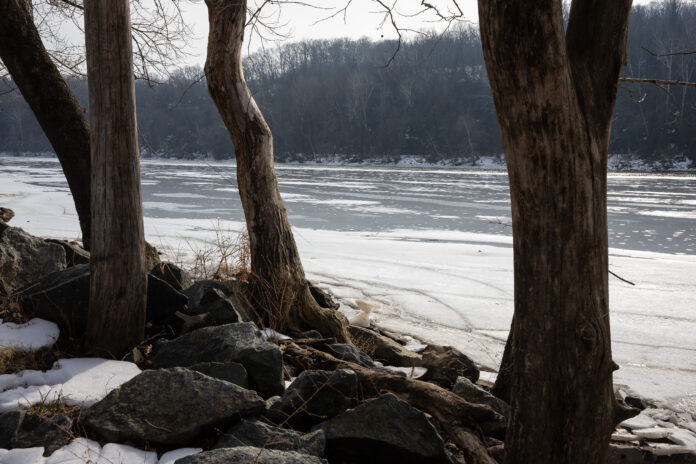

Trump fixates on sewage, a favored talking point, in fight with Wes Moore
Trump’s Latest Feud Over Potomac Sewage Spill: A Political Standoff with Governor Wes Moore
President Donald Trump has taken his ongoing feud with Maryland Governor Wes Moore to new depths, focusing on a catastrophic sewage spill into the Potomac River. In a series of posts on Truth Social, Trump criticized Moore for mismanaging the response, labeling it a “massive Ecological Disaster” and urging federal intervention. As the spill continues to impact the region, this political tussle highlights broader issues of accountability and infrastructure decay.
Trump’s Criticism and Call to Action
On Monday and Tuesday, Trump lambasted Moore’s handling of the sewage spill, which has unleashed hundreds of millions of gallons of raw waste into the Potomac River. Trump’s posts underscored his frustrations, stating, “I cannot allow incompetent Local ‘Leadership’ to turn the River in the Heart of Washington into a Disaster Zone.” This situation has reignited Trump’s penchant for leveraging environmental issues against political adversaries, reminiscent of past grievances over sewage concerns in San Diego and San Francisco.
White House Press Secretary Karoline Leavitt echoed Trump’s concerns, emphasizing the president’s worry that the spill will affect the 2026 semiquincentennial July 4 celebrations. “He is worried about that. Which is why the federal government wants to fix it, and we hope that the local authorities will cooperate with us in doing so,” Leavitt stated.
Infrastructure Concerns and Political Blame
The Potomac Interceptor sewer line, which failed in January, has been identified as the spill’s source. DC Water is managing emergency repairs, but the situation spotlights a national issue: outdated infrastructure. Jon Mueller, a law professor at the University of Maryland, noted, “We’ve got really poor infrastructure. A lot of these pipes, especially on the East Coast, were built decades ago.”
While Trump blames local leadership, Governor Moore’s office highlights the EPA’s regulatory role. Ammar Moussa, Moore’s spokesperson, accused the Trump administration of neglecting its responsibilities. “For the last four weeks, the Trump Administration has failed to act, shirking its responsibility and putting people’s health at risk,” Moussa said.
EPA Administrator Lee Zeldin defended the agency, countering that they had not been asked to take over the situation and had continuously offered support to state and local leaders.
Environmental Impact and Long-term Concerns
Environmental groups and researchers are alarmed by the spill’s long-term implications. University of Maryland researchers have detected antibiotic-resistant bacteria linked to the spill, raising concerns about water safety for recreational activities by spring. Dean Naujoks of the Potomac Riverkeeper group criticized the cleanup, labeling it “botched” while calling for more accountability from EPA.
The spill’s political ramifications are significant, intersecting with Moore’s broader plans to redraw Maryland’s congressional lines—an effort potentially at odds with Trump’s redistricting objectives.
Fact-Checking and Misinformation
Trump’s claims of Moore’s mismanagement have drawn scrutiny. While he asserts federal intervention is necessary, the White House has faced criticism for previous cuts to water infrastructure funding, which experts argue exacerbates these crises. Water lobbyist Mae Stevens pointed out, “It’s a great political issue. Nobody wants sewage in the water — that is true of Democrats and Republicans.”
The situation exemplifies how misinformation can influence public opinion and highlights the need for verified information and transparent communication from all parties involved.
Conclusion
The ongoing Potomac River sewage spill underscores critical infrastructure challenges while serving as a battleground for political disputes. As Trump and Moore continue their public quarrel, the need for comprehensive solutions to aging infrastructure becomes increasingly urgent. Ultimately, federal and local cooperation will be vital to addressing these environmental challenges effectively.