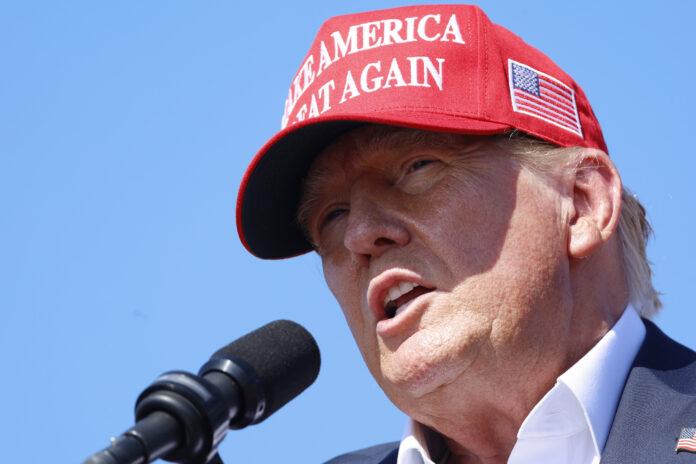

Trump has big plans for Venezuela's oil but are they feasible?
Trump Urges Oil Extraction, Faces Industry Hesitation
In a recent series of statements, Donald Trump has called upon American energy companies to ramp up the extraction of crude oil, despite reluctance from the industry. The former president’s calls come at a time when energy markets are experiencing volatility, and his comments have sparked a new wave of discussion about the role of domestic oil production.
Trump’s Call for Increased Oil Production
Speaking at a rally in Des Moines, Iowa, Trump urged American energy firms to “start extracting the crude right here at home,” asserting that this would lead to lower gas prices and greater energy independence. “We have more oil than anybody, okay? And it’s time we start pumping it,” Trump said to a cheering crowd.
However, industry experts and executives have expressed hesitancy, citing concerns over fluctuating global oil prices, environmental regulations, and the long-term viability of investments in fossil fuel extraction.
Fact-Checking Trump’s Claims
While Trump often touts the abundance of U.S. oil reserves, experts point out that the situation is more complex. According to the U.S. Energy Information Administration, the U.S. ranks among the top producers, but extracting and refining oil involves significant challenges and costs.
Amy Myers Jaffe, a leading expert on global energy policy, notes, “The U.S. does have substantial reserves, but the economic and environmental costs of extraction are considerable. It’s not just about having the oil—it’s about whether it’s economically feasible to extract it.”
Industry Concerns and Reluctance
Energy firms have shown hesitation to accelerate production amid current market conditions. Executives cite uncertainties in demand and price stability as major deterrents. Additionally, there is a growing shift towards renewable energy sources, which is influencing long-term investment strategies within the sector.
An executive from a major oil company, who wished to remain anonymous, explained, “Our focus is on managing risks and ensuring that investments align with future energy trends. Rapidly increasing production without clear market signals isn’t necessarily in our best interest.”
Trump’s History of Misleading Statements
Trump’s statements have often been scrutinized for inaccuracies. For instance, during his presidency, he claimed that the U.S. was “energy independent,” a claim that was fact-checked by experts who clarified that the U.S. still imported oil to meet domestic demand.
Political analyst Daniel Drezner remarked, “Trump has a long history of making bold claims that don’t always align with reality. It’s essential to look at the data and expert analysis rather than relying solely on his statements.”
Conclusion
As Trump continues to pressure American energy firms to increase crude oil extraction, the reluctance from the industry highlights the complexities of energy production and policy. With environmental considerations and economic factors at play, the path forward remains uncertain. It’s crucial for policymakers and industry leaders to weigh these factors carefully as they navigate the future of energy in the United States.