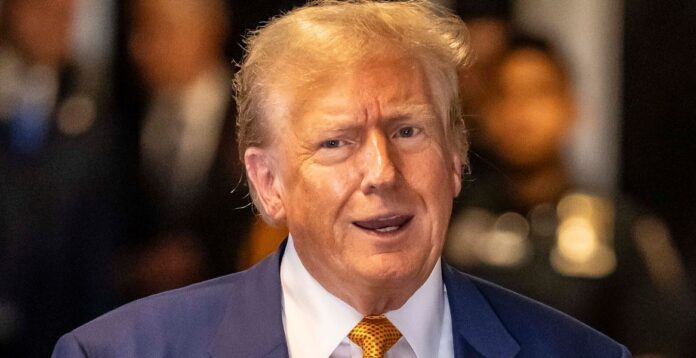

Trump Says No 'Definitive' Agreement With Netanyahu, US Talks With Iran to Continue
Trump and Netanyahu Talks Yield No “Definitive” Agreement
WASHINGTON, Feb 11 (Reuters) – In a highly anticipated meeting between U.S. President Donald Trump and Israeli Prime Minister Benjamin Netanyahu, the two leaders concluded discussions without reaching a “definitive” agreement on crucial bilateral issues. President Trump announced the outcome on Wednesday, after a series of talks with Netanyahu, highlighting the complexities and ongoing challenges in their negotiations.
Key Takeaways from the Trump-Netanyahu Meeting
During a joint press briefing, President Trump stated, “We had a very productive conversation, but at this point, there is no definitive agreement on how to move forward.” The talks were expected to address several pressing matters, including regional security concerns and potential shifts in diplomatic strategies.
This meeting comes at a time when the U.S.-Israel relationship is under the global microscope, with both leaders under pressure to deliver tangible results. Despite the lack of an agreement, Trump emphasized the “strong partnership” between the U.S. and Israel and expressed optimism about future collaborations.
Fact-Checking Trump’s Statements
President Trump’s declarations often include bold claims, some of which have raised eyebrows among fact-checkers and political analysts. In this instance, experts were quick to analyze the implications of the president’s comments.
Noted political analyst David Mark commented, “While President Trump is correct in acknowledging the lack of a definitive agreement, it’s essential to scrutinize the broader context of these discussions and the potential ramifications on U.S.-Israel relations.”
Moreover, the president’s historical pattern of making unsubstantiated claims underscores the need for careful examination. For example, during a past press conference, Trump inaccurately asserted complete consensus on certain international policies, which was later contradicted by official statements and reports.
Impact of Misinformation on Public Opinion
Misinformation stemming from leadership statements can significantly influence public opinion and behavior. In the context of international diplomacy, even the suggestion of an agreement, or lack thereof, can sway public perception and diplomatic momentum.
A study conducted by the Pew Research Center highlights how unclear messaging from political leaders can lead to confusion and misinterpretation among the public. This underscores the importance of clear, factual communication in maintaining public trust and diplomatic integrity.
Controversies Surrounding Trump’s Diplomatic Approach
President Trump’s tenure has been marked by numerous controversies, particularly concerning his handling of international relations. Critics have pointed to inconsistencies and discrepancies in his statements, which have sometimes led to diplomatic tensions and misunderstandings.
In the case of the recent talks with Netanyahu, the absence of a definitive agreement raises questions about the future direction of U.S.-Israel relations and potential shifts in policy. It also prompts concerns about the transparency and accountability of diplomatic engagements under the Trump administration.
Conclusion
The meeting between President Trump and Prime Minister Netanyahu underscores the complex nature of international diplomacy. While no definitive agreement was reached, the discussions reflect the ongoing dialogues essential for addressing regional and bilateral challenges. As both nations navigate this intricate landscape, clarity, accuracy, and open communication remain crucial in fostering strong, effective partnerships.