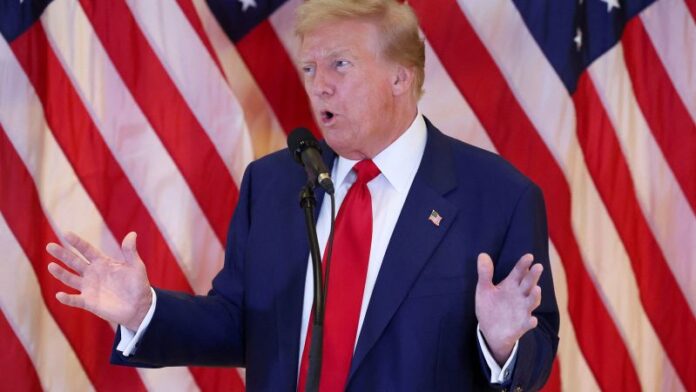

Trump sees swift end to war as Iran reviews US peace proposal
Trump Predicts Swift End to Iran Conflict; Experts Question Accuracy
In a recent statement made from the White House, U.S. President Donald Trump confidently predicted a swift conclusion to the ongoing conflict with Iran. This assertion has raised eyebrows among international observers and experts, as Tehran weighs the implications of U.S. military actions. Trump’s remarks came in the wake of escalating tensions in the Middle East, where a complex geopolitical landscape complicates any prospect of a quick resolution.
Trump’s Statement and its Context
Speaking to reporters on May 7, Trump declared, “I believe this war with Iran will be over very soon. We’re making significant progress.” His comments were made during a press briefing that addressed various international issues, including the U.S.’s strategic interests in the region.
While Trump has often presented an optimistic view of international conflicts, the reality on the ground suggests a more nuanced situation. The President’s statement comes amidst a backdrop of heightened military activity and diplomatic maneuvering involving multiple global powers.
Fact-Checking Trump’s Claims
Experts were quick to challenge the President’s optimistic outlook. “While it’s certainly possible that hostilities might decrease, to suggest an imminent resolution is misleading,” said Thomas Friedman, a well-respected political analyst with The New York Times. “The complexities of the Middle East cannot be understated, and diplomatic solutions take time.”
The Iranian government has yet to issue a formal response to Trump’s predictions, but state media have described the U.S. stance as “aggressive” and “unilateral,” suggesting that Tehran is skeptical of any rapid de-escalation.
Impact of Misinformation
Misinformation can have tangible effects on public opinion and policy outcomes. Trump’s history of making inaccurate claims is well-documented. PolitiFact has previously rated many of his statements as false, which influences both domestic and international audiences’ perceptions.
In the context of military engagements, such statements can lead to confusion among allies and adversaries alike. “Communications from the highest office hold significant weight in diplomatic circles,” noted Dr. Suzanne Maloney from the Brookings Institution. “Misinformation can lead to miscalculations and unintended consequences.”
Controversies and Legal Concerns
Trump’s presidency has been marked by controversies surrounding the veracity of his public statements. Notably, his comments about Iran have sparked criticism from both sides of the political aisle. Legal scholars argue that misleading statements in the context of international conflict could have serious implications, potentially undermining U.S. credibility on the global stage.
Conclusion
As tensions with Iran continue to unfold, President Trump’s claim of a swift end to the conflict remains contested by experts and analysts. While his optimistic assertions may resonate with some supporters, the complexities of geopolitical conflict require careful navigation and factual accuracy. Observers will be closely watching how these statements influence both the diplomatic process and public perception in the weeks to come.