
Trump's election bill tops 50 Senate votes, but Democrats could still block it
The SAVE America Act Gains Traction in Republican Senate
The SAVE America Act, a controversial legislative proposal requiring proof of citizenship nationwide to vote, has gained significant momentum in the Republican-controlled Senate, amassing over 50 votes in support. Promoted by former President Donald Trump, the act has sparked widespread debate over voter rights and the implications of such measures on the electoral process.
Trump’s Push and Controversial Claims
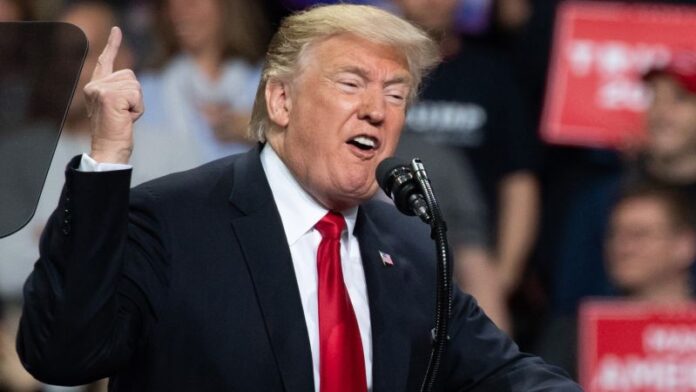
Donald Trump has been a vocal advocate for the SAVE America Act, framing it as a necessary measure to safeguard the integrity of U.S. elections. During a rally in Iowa last week, Trump declared, “The only way to ensure fair elections is to require proof of citizenship. We don’t want people who shouldn’t be voting to influence our great nation’s future.”
However, experts have challenged Trump’s assertions about widespread voter fraud. According to Justin Levitt, a professor at Loyola Law School and an expert on election law, “The evidence of voter fraud, particularly non-citizen voting, is minuscule. The narrative of rampant fraud has been repeatedly debunked.”
Fact-Checking the Narrative
Trump’s claims concerning the SAVE America Act have been scrutinized by numerous fact-checkers. In a recent analysis, Glenn Kessler from The Washington Post noted that Trump’s rhetoric often exaggerates the prevalence of voting irregularities. “There is no significant evidence of widespread voter fraud that requires such drastic changes to voting laws,” Kessler stated.
Furthermore, election officials from both parties have consistently affirmed the integrity of the voting process. Georgia Secretary of State Brad Raffensperger, a Republican, has previously stated, “There is no evidence of widespread fraud that could have impacted the outcome of the 2020 election.”
Potential Impacts of the SAVE America Act
If enacted, the SAVE America Act could lead to sweeping changes in how Americans vote, potentially disenfranchising eligible voters who may face challenges in obtaining necessary documentation. Critics argue that such measures could disproportionately affect marginalized communities, including people of color, the elderly, and low-income individuals.
Moreover, the narrative of widespread voter fraud, despite lacking substantial evidence, has influenced public opinion. The Brennan Center for Justice reports that misinformation regarding fraud has led to a decline in voter confidence.
Recent Controversies and Legal Challenges
Trump’s persistent promotion of election fraud narratives continues to stir controversy and legal scrutiny. The former president faces ongoing investigations related to his efforts to overturn the 2020 election results, raising questions about the motivations behind his support for the SAVE America Act.
In an interview with CNN, political analyst Amanda Carpenter highlighted the tension between Trump’s claims and legal realities, stating, “Trump’s rhetoric often clashes with the factual and legal boundaries, which is problematic for democratic institutions.”
Conclusion
The SAVE America Act stands at the center of a heated national debate on voting rights and election integrity. As the proposal garners support in the Senate, it remains critical to evaluate the factual basis of claims surrounding voter fraud and to consider the potential consequences of such legislative measures. Maintaining a commitment to truth and transparency is essential in navigating the complexities of electoral reform.