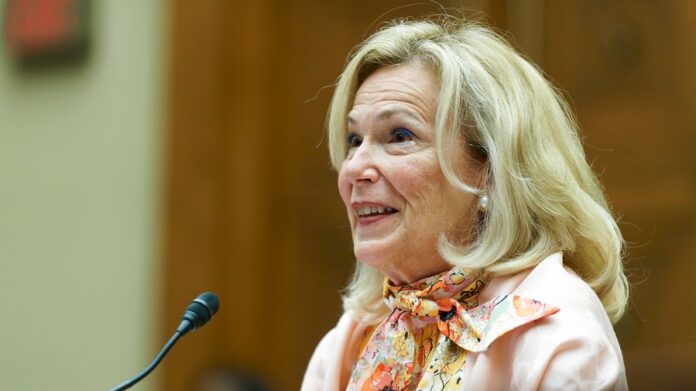

Trump's former COVID adviser: US equipped to handle response to Ebola outbreak
Administration News — 2026-05-24 21:50:00 — thehill.com
Trump’s COVID Adviser Raises Concerns Amid Ebola Preparedness Claims
In a recent statement, a former adviser to Donald Trump during the COVID-19 pandemic suggested that the United States is adequately prepared to handle an Ebola outbreak. However, the adviser, Dr. Deborah Birx, highlighted a critical issue: “The U.S. right now does not have a confirmed head of the [Centers for Disease Control and Prevention (CDC)], it does not have a confirmed head of the [Food and Drug Administration (FDA)],” she stated on Sunday. This remark underscores ongoing concerns about leadership in public health agencies as the nation grapples with various health crises.
Context of the Statement
Dr. Birx’s comments were made during an interview on CNN’s “State of the Union,” where she discussed the current state of U.S. preparedness for potential health threats, including Ebola. Her assertion about the lack of confirmed leadership at the CDC and FDA raises alarms about the federal government’s ability to respond effectively to emerging health threats. The CDC has been without a permanent director since Dr. Rochelle Walensky announced her resignation in June, and the FDA has also been operating without a confirmed leader.
Fact-Checking the Claims
While Dr. Birx’s statement regarding the absence of confirmed heads at the CDC and FDA is accurate, the assertion that the U.S. is equipped to handle an Ebola outbreak is more complex. Experts in infectious diseases have pointed out that while the U.S. has protocols in place for managing Ebola, the effectiveness of these measures can be compromised by leadership vacuums and insufficient resources. Dr. Anthony Fauci, former director of the National Institute of Allergy and Infectious Diseases, has previously emphasized the importance of strong leadership in public health to ensure a coordinated response to outbreaks.
Trump’s History of Misinformation
Donald Trump has a documented history of making misleading statements regarding public health matters. For instance, during the COVID-19 pandemic, he claimed that the virus would “disappear” and suggested that injecting disinfectant could be a treatment option. These statements were widely criticized by health experts and led to confusion among the public about the seriousness of the pandemic.
Moreover, Trump has disparaged health officials and scientists, often undermining their credibility. For example, he publicly attacked Dr. Fauci and Dr. Birx, suggesting they were not trustworthy sources of information during the pandemic. Such rhetoric can have significant implications, as it may lead to public distrust in health authorities and hinder effective communication during health emergencies.
Potential Impacts of Misinformation
The spread of misinformation and the lack of clear leadership can have dire consequences for public health. During the COVID-19 pandemic, misinformation contributed to vaccine hesitancy and resistance to public health measures, which ultimately prolonged the crisis. As the nation faces the potential threat of Ebola and other infectious diseases, the importance of accurate information and strong leadership cannot be overstated.
Conclusion
Dr. Birx’s recent comments serve as a reminder of the critical need for effective leadership in public health agencies, especially in times of crisis. While the U.S. may have the resources to manage an Ebola outbreak, the absence of confirmed leaders at key health organizations raises questions about the nation’s preparedness. As misinformation continues to circulate, it is essential for the public to seek accurate information and for leaders to communicate transparently to ensure a coordinated response to health threats.
Source: https://thehill.com/policy/healthcare/5893722-trump-adviser-ebola-response/