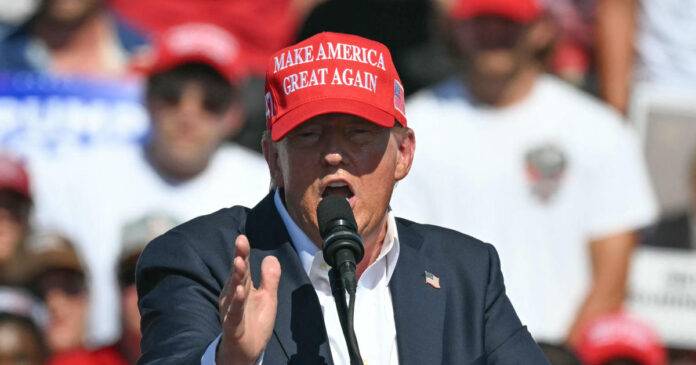

Live Updates: Trump says war with Iran necessary to prevent ‘lunatics’ from obtaining a nuclear weapon
Iran’s Proposal to Delay Nuclear Talks Mired in Tensions with U.S. and Trump
In a significant diplomatic maneuver, Iran has proposed a deal that could reshape the geopolitical landscape of the Middle East. This proposal, however, hinges on contentious terms, including the reopening of the Strait of Hormuz and the lifting of the U.S. blockade on Iranian ports. According to a senior Iranian official, these measures are prerequisites before any discussions on Tehran’s nuclear program can commence, Reuters reported. The Iranian regime submitted this new framework to Pakistan on Friday, following a series of unfruitful attempts at direct talks with the United States.
Trump’s Stance: No Concessions Without Guarantees
President Donald Trump has remained firm in his rejection of Iran’s preconditions. Speaking to reporters at the White House, Trump declared, “They’re asking for things that I can’t agree to.” He emphasized his dissatisfaction with the current proposal, stating, “I’m not satisfied with it… Iran wants to make a deal because they have no military left, essentially.”
Trump has consistently highlighted his administration’s stance that any lifting of the blockade would require ironclad assurances that Iran will not pursue nuclear weapons. “You cannot give Iran a nuclear weapon,” Trump reiterated during a speech in Florida. He expressed concerns over the potential threats to Israel, the Middle East, and beyond.
Iran’s Strategic Pivot: Delaying Nuclear Discussions
The Iranian proposal to delay nuclear talks aims to create a “more conducive atmosphere,” as described by the senior Iranian official in communications via Reuters. This strategic shift has been positioned as a crucial step towards brokering a peaceful resolution to ongoing tensions. The regime insists that lifting the blockade and reopening the Strait of Hormuz are essential to ending hostilities, with further negotiations on nuclear limitations to follow.
Fact-Checking Trump’s Claims
Trump’s assertion that Iran “has no military left” contradicts reports from defense analysts who acknowledge that while Iran’s military capabilities may be constrained, they remain operational. Furthermore, Trump’s dire warnings about Iran’s nuclear intentions and the likelihood of an imminent threat to various regions have been met with skepticism by some experts. Fact-checkers have noted that while Iran’s nuclear ambitions are concerning, the timeline and immediacy of such threats are often exaggerated in political rhetoric.
Diplomatic and Strategic Implications
The proposal’s implications extend beyond the immediate U.S.-Iran relationship. Lifting the blockade and ensuring the free passage through the Strait of Hormuz could stabilize oil markets and alleviate regional economic pressures. However, the delay in nuclear negotiations poses risks, potentially allowing Iran to continue its nuclear activities unmonitored, which remains a significant concern for international observers.
Conclusion: Navigating a Complex Diplomatic Landscape
As the U.S. and Iran navigate this diplomatic impasse, the stakes remain high. Trump’s steadfast opposition to Iran’s terms underscores the complexity of achieving a comprehensive agreement. The ongoing negotiations, facilitated by Pakistani mediators, reflect the intricate web of alliances and interests at play. The outcome of these discussions will not only impact bilateral relations but also shape the broader geopolitical dynamics in the region.
By maintaining a factual discourse and recognizing the nuances of each party’s positions, stakeholders can work towards a resolution that ensures regional stability and addresses the international community’s nuclear proliferation concerns.
Source: https://www.foxnews.com/live-news/iran-war-trump-blockade-strait-hormuz-oil-prices-may-2