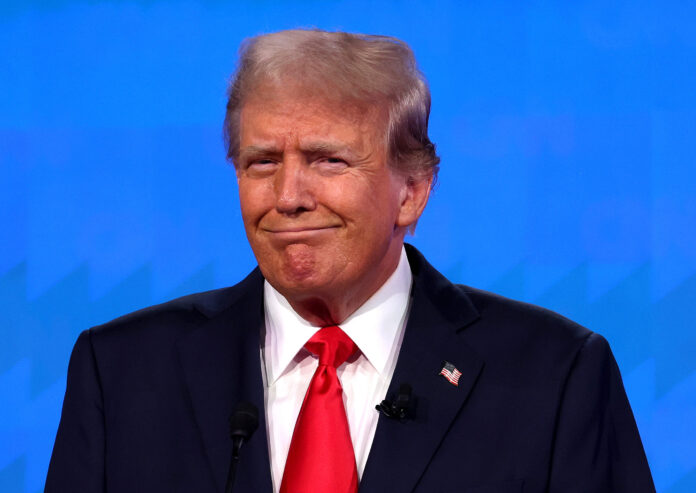

Iran Has Submitted a New Peace Plan, but Trump Says He Is Skeptical
Trump Reviews Iran’s Proposal for Peace Amidst Rising Tensions and Oil Prices
Amid escalating tensions between the United States and Iran, a glimmer of diplomacy has emerged as Iran submits a 14-point proposal to end the ongoing conflict. President Donald Trump announced on Truth Social that he is reviewing the plan, although he expressed skepticism about its acceptability. “I will soon be reviewing the plan that Iran has just sent to us, but can’t imagine that it would be acceptable in that they have not yet paid a big enough price for what they have done to Humanity, and the World, over the last 47 years,” Trump stated on Saturday.
The Proposal and Its Key Points
According to the Tasnim News Agency, a semi-official agency linked with the Islamic Revolutionary Guard Corps, Iran’s proposal includes significant demands. Among them are guarantees of non-aggression, the withdrawal of U.S. military forces from areas surrounding Iran, and lifting the naval blockade of Iran’s ports. Additionally, Iran is calling for the release of frozen assets, compensation payments, removal of sanctions, and the cessation of warfare on all fronts, including Lebanon. A new management mechanism for the Strait of Hormuz is also being requested. Tehran has set a 30-day deadline for these issues to be resolved, emphasizing that the focus should be on ending the war rather than merely extending the ceasefire.
Oil Markets in Turmoil
Since the conflict intensified with a U.S. and Israeli attack on Iran on February 28, oil prices have surged dramatically. Despite a ceasefire that began on April 8 and has been extended indefinitely, oil prices remain high. The Strait of Hormuz, through which 20% of the world’s oil supply passes, continues to be a strategic chokepoint tightly controlled by Tehran. Analysts, including Mark Malek, the chief investment officer at Siebert Financial, warn of a “second wave of inflation” stemming from the conflict, which could affect everyday consumer products.
Fact-Checking the Claims
Trump’s claims about Iran’s actions over the past 47 years lack specificity and context. Historically, U.S.-Iran relations have been strained, notably since the 1979 Iranian Revolution and the subsequent hostage crisis. However, Trump’s statement does not align with any particular verified actions or events attributed to Iran that have universally affected “Humanity, and the World” for nearly five decades.
James Rubin, a political analyst, pointed out that Trump’s rhetoric often exaggerates threats for political gain. “It’s crucial for leaders to communicate with precision, especially in matters of international conflict,” Rubin said.
The Path Forward
As the world watches closely, the outcome of Trump’s review of Iran’s proposal carries significant implications for global stability and economic markets. An agreement would not only ease geopolitical tensions but also potentially stabilize oil prices, impacting global inflation trends.
The ongoing situation underscores the importance of diplomatic engagement and fact-based communication. The international community will be looking for a resolution that not only ends the conflict but also lays the groundwork for a more stable Middle East.
In conclusion, while President Trump’s skepticism highlights the challenges of reaching a consensus, the potential for diplomacy remains, offering a possible pathway to peace and economic stability.
Source: https://www.businessinsider.com/iran-war-peace-deal-donald-trump-oil-prices-2026-5