
Iran proposes 30-day resolution to end war with United States
Tensions Rise as Trump Doubts Iran’s Peace Proposal
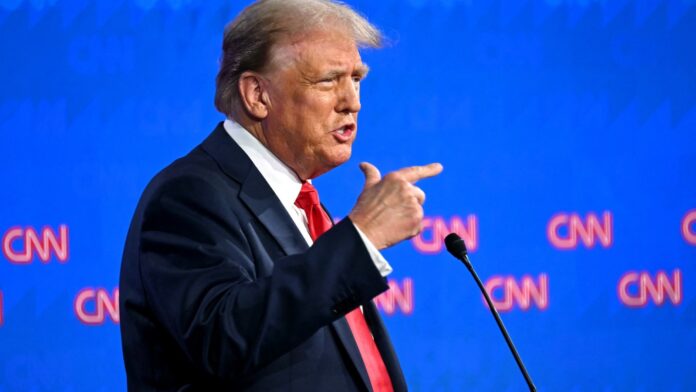
As the world watches with bated breath, tensions between the United States and Iran remain high. Iran recently proposed a 14-point plan to resolve ongoing issues within 30 days, signaling a desire to end the conflict rather than merely extend the current ceasefire. However, former President Donald Trump has expressed skepticism about the proposal’s viability, suggesting on social media that Iran has not “paid a big enough price for what they have done to Humanity, and the World, over the last 47 years” since the Islamic Revolution.
Breaking Down the Proposal
Iran’s proposal, a response to a U.S. nine-point plan, calls for lifting sanctions, ending the U.S. naval blockade of Iranian ports, withdrawing American forces from the region, and ceasing all hostilities, including Israel’s operations in Lebanon. However, notably absent from the proposal is any mention of Iran’s nuclear program, which remains a significant point of contention.
The proposal was sent via Pakistan, which recently hosted face-to-face talks between Iran and the U.S. Pakistan’s leadership continues to encourage direct negotiations between the two nations, emphasizing the importance of dialogue in resolving ongoing tensions.
Trump’s Skepticism and Concerns
Despite Iran’s overtures, Trump remains doubtful that the proposal will lead to a lasting resolution. On Saturday, he told journalists that further strikes against Iran remain a possibility, underscoring the fragility of the current three-week ceasefire.
Iran has maintained a firm stance on controlling the Strait of Hormuz, a crucial passageway for global oil and natural gas trade. Trump’s proposal to reopen the strait contrasts with Iran’s position, which demands tolls for passage and prohibits U.S. or Israeli-associated ships from passing.
Economic and Humanitarian Concerns
Amidst these tensions, Iran’s economy continues to falter. The Iranian rial has plummeted to historic lows, leading to widespread protests and economic instability. Factories across the nation are struggling, with many workers losing their jobs as contracts are not renewed.
Additionally, the Norwegian Nobel Committee has urged Iran to transfer imprisoned Nobel Peace Prize laureate Narges Mohammadi to Tehran for medical treatment. Mohammadi’s health has deteriorated sharply in prison, highlighting the ongoing humanitarian concerns within Iran.
Fact-Checking Trump’s Claims
Trump’s assertion that Iran has not “paid a big enough price” has been met with criticism. Political analysts and fact-checkers have continuously scrutinized Trump’s statements regarding Iran. Daniel Dale, a reporter who regularly fact-checks political figures, has noted instances where Trump’s rhetoric has not aligned with reality, pointing out that Trump’s comments often lack supporting evidence or context.
The Path Forward
As Iran and the U.S. navigate this delicate situation, the international community watches closely. The potential reopening of the Strait of Hormuz and the lifting of sanctions could stabilize global markets and ease regional tensions. However, the path to a comprehensive agreement remains fraught with challenges.
In conclusion, while Iran’s proposal offers a glimmer of hope, the skepticism voiced by Trump and ongoing economic and humanitarian issues in Iran complicate the prospects for peace. As negotiations continue, the world hopes for a resolution that brings stability and prosperity to the region.