
Full Guest List for Trump’s State Dinner With Charles and Camilla
Trump Gathers Conservative Supreme Court Justices Among Elite Guests at Washington Dinner
In a move raising eyebrows across the political spectrum, former President Donald Trump hosted a private dinner featuring a high-profile guest list that included the six conservative members of the Supreme Court, top administration officials, billionaires, and Republican lawmakers. The event, which took place at his Mar-a-Lago estate, has sparked discussions about the implications of such gatherings and the potential influence on judicial impartiality and political alliances.
Trump’s Statements and Invitations Raise Questions
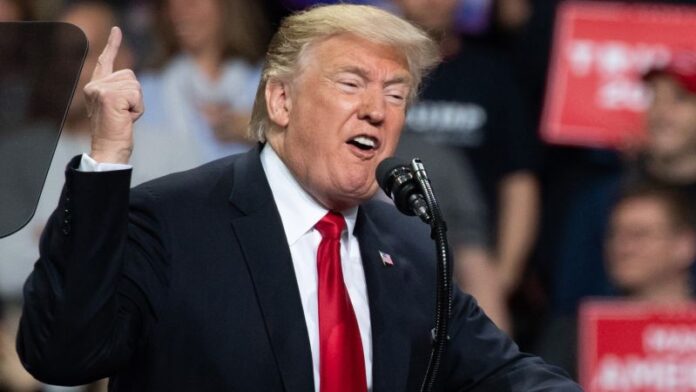
During a brief speech at the event, Trump made several bold claims about the gathering, asserting that the presence of the Supreme Court justices was a testament to his enduring influence over the nation’s highest court. “These justices are here because they know the great work we did together during my administration,” Trump declared.
However, the propriety of inviting Supreme Court justices to such a politically charged event has been questioned by many. Legal analyst Jeffrey Toobin, known for his coverage of the Supreme Court, commented, “The presence of Supreme Court justices at a political event raises concerns about the perceived impartiality of the judiciary, which relies on public trust.”
Fact-Checking Trump’s Claims
Trump’s claim about his “great work” with the Supreme Court was met with skepticism, particularly given his history of controversial remarks. In a 2021 analysis, Daniel Dale, a fact-checker at CNN, noted that “Trump frequently overstates or misrepresents his influence, often ignoring the independent nature of the Supreme Court.”
Experts have pointed out that while Trump did appoint three conservative justices during his tenure, their presence at social gatherings does not necessarily imply agreement with his policies or decisions. Legal experts like Laurence Tribe have emphasized that the Supreme Court’s role is to interpret the law impartially, free from political influence.
Controversies Surrounding the Dinner
The dinner also reignited debates about ethical boundaries for Supreme Court justices. Critics argue that attending such events may create a perception of bias, thereby undermining public confidence in their ability to remain impartial. Former White House ethics lawyer Richard Painter commented, “When justices are seen at partisan gatherings, it erodes the public’s trust in their objectivity and the constitutional mandate for a fair judiciary.”
This gathering comes amid increasing scrutiny of Trump’s post-presidential activities, as he continues to face multiple legal challenges and ongoing investigations. His statements at the dinner serve to remind observers of his enduring penchant for controversy and the complexities of his relationship with various branches of government.
Conclusion: Navigating the Thin Line of Influence
The dinner, attended by Supreme Court justices and political elites, underscores the intricate dance between political power and judicial independence. As Trump continues to wield influence long after leaving the White House, the potential ramifications of such gatherings are likely to persist as a topic of significant public discourse. Maintaining a clear line between judicial roles and political affiliation remains critical for preserving the integrity of America’s legal system.
Source: https://www.nytimes.com/2026/04/28/us/politics/state-dinner-guest-list.html