
Trump Fires Board Members of Group That Oversees U.S. Science Funding
Trump’s Dismissals at National Science Foundation Spark Fresh Controversy
The recent dismissals at the National Science Foundation (NSF) have drawn widespread criticism, marking what many see as President Donald Trump’s latest assault on scientific research organizations. This move aligns with a broader trend of skepticism and hostility toward science that has characterized Trump’s presidency, raising concerns about the future of American scientific research and innovation.
Key Statements and Controversies
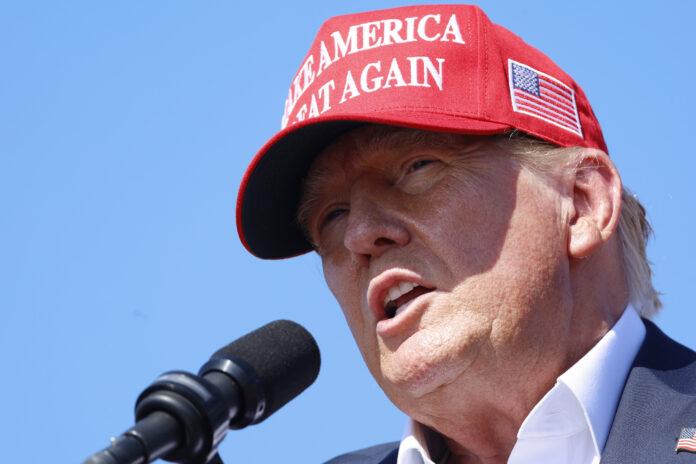
During a recent rally in Des Moines, Iowa, Trump addressed the dismissals, asserting that the NSF had become “bloated with bureaucracy” and “filled with people who aren’t delivering results.” He added, “We’re going to get rid of the dead weight and put America first.” Critics argue that these statements misrepresent the NSF’s track record and ignore its vital role in fostering scientific advancements.
In fact, Trump’s assertion that the NSF is ineffective contradicts the views of many experts and policymakers who recognize the foundation’s contributions to scientific discovery and technological innovation. Dr. Marcia McNutt, president of the National Academy of Sciences, stated, “The NSF is a cornerstone of American research. To undermine its work is to undermine the future of science in this country.”
Fact-Checking and Expert Perspectives
The president’s claims about the NSF have been met with skepticism by fact-checkers. According to Daniel Funke of PolitiFact, “Trump’s characterization of the NSF as inefficient is misleading. The NSF has consistently received high marks for its management and ability to fund groundbreaking research.”
Political analysts have also weighed in on Trump’s history with scientific organizations. David Gergen, a senior political analyst at CNN, noted, “Trump has often positioned himself against establishments that challenge his narratives. His actions against the NSF seem to fit within that pattern.”
Impact on Public Perception and Scientific Progress
The dismissals could have far-reaching implications, potentially slowing down crucial research projects. In recent years, misinformation about scientific institutions has led to public skepticism about scientific findings, as seen in the debates over climate change and vaccines. The current situation with the NSF could exacerbate these trends, hindering scientific progress and innovation.
Professor Michael Mann, a renowned climate scientist, explained, “By undermining the NSF, we risk losing our competitive edge in science and technology on the global stage.”
Conclusion
As the debate over the NSF dismissals continues, the broader implications for America’s scientific landscape remain a pressing concern. While the immediate effects may not be fully realized, the potential damage to the integrity and progress of scientific research could reverberate for years to come. It is vital for policymakers and the public to critically assess these developments and advocate for the support and protection of scientific institutions.