Trump is wrong: Gas prices have reached near record highs, not ‘come down very substantially’
PolitiFact – Rulings and Stories — 2026-05-08 15:15:00 — www.politifact.com
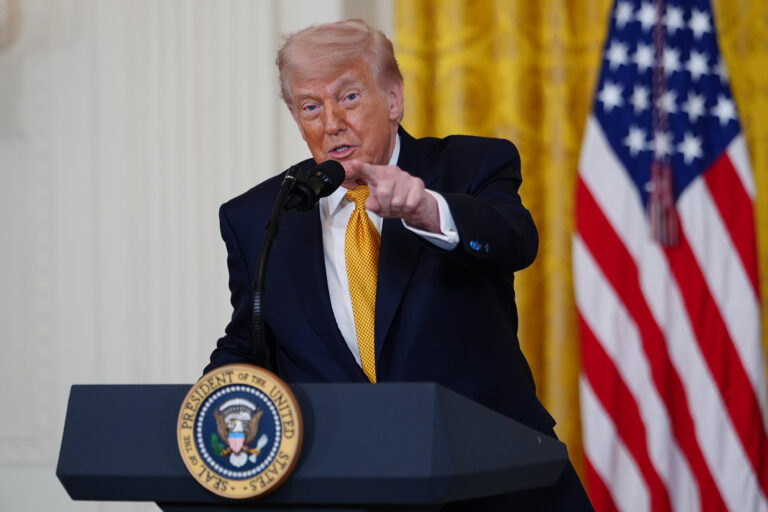
With gasoline prices a hot issue for voters as the midterm elections approach, President Donald Trump claimed progress on the matter. When asked about the national average gasoline prices exceeding $4.50 per gallon on May 7, Trump stated, “Gas prices have come down today. Have you looked? They’ve come down very substantially today.” However, this assertion is inaccurate. The American Automobile Association reported that the national average price for gasoline rose each day for four consecutive days leading up to Trump’s comment. The day after his statement, prices dropped by only about a penny per gallon.
From May 4 to May 7, the national average price for gasoline increased consistently, reaching $4.558 on the day of Trump’s remark. The following day, it fell slightly to $4.546, a negligible decrease that does not support Trump’s claim of a substantial drop. While crude oil prices did decline during this period, the relationship between crude oil prices and gasoline prices is complex, often resulting in delayed effects at the pump. Experts note that gasoline prices typically rise quickly but fall slowly, a pattern that reflects market dynamics and consumer behavior.
How this sits against verifiable accuracy
Trump’s claim implies that gasoline prices were decreasing significantly at the time he spoke. However, the data shows that from May 4 to May 7, gasoline prices consistently rose, contradicting his assertion. For a claim like Trump’s to be well-supported, it would require clear evidence of a substantial decrease in gasoline prices at the time he made the statement. The excerpt provides corrections to Trump’s claim, noting that the national average price had risen prior to his comments and only saw a minor drop afterward.
The report indicates that while crude oil prices fell, this does not translate immediately to lower gasoline prices due to market volatility. The pattern of price changes suggests that consumers may not see immediate benefits from fluctuations in crude oil prices, which is essential context for understanding Trump’s statement. The lack of a substantial decrease in gasoline prices during the specified timeframe directly undermines the accuracy of his claim.
What the excerpt shows about verifiable lies
The excerpt clearly establishes that Trump’s statement about gasoline prices decreasing “very substantially” is inaccurate. It notes that the national average price for gasoline rose each day leading up to his comment and only dropped slightly the day after. The American Automobile Association’s data supports this, showing a consistent increase in prices from May 4 to May 7. Thus, Trump’s assertion does not align with the reported facts, which classify his statement as false.
Additionally, the report emphasizes the typical market behavior where crude oil price changes do not immediately affect gasoline prices, further illustrating the inaccuracy of Trump’s claim. The statement is rated as false based on the evidence presented in the excerpt.
Targets and tone
The excerpt does not show Trump singling out or insulting any specific individuals or groups. His comments focus solely on the issue of gasoline prices without disparaging remarks directed at others. The language used is straightforward and does not contain any hostile or demeaning tones toward any identifiable targets.
In summary, readers should take away that Trump’s claim regarding gasoline prices is factually incorrect, as evidenced by the data from the American Automobile Association. The excerpt highlights the complexities of gasoline pricing and the lag in response to crude oil price changes, leaving readers with a clear understanding of the inaccuracies in Trump’s statement.
Source: https://www.politifact.com/factchecks/2026/may/08/donald-trump/gasoline-prices-falling-crude-oil/